
GƏNCƏ LAYİHƏSİ
GƏNCƏ LAYİHƏSİ
Bakı Abadlıq Xidməti Gəncə şəhərində əsaslı təmir-bərpa və abadlıq işləri aparıb.
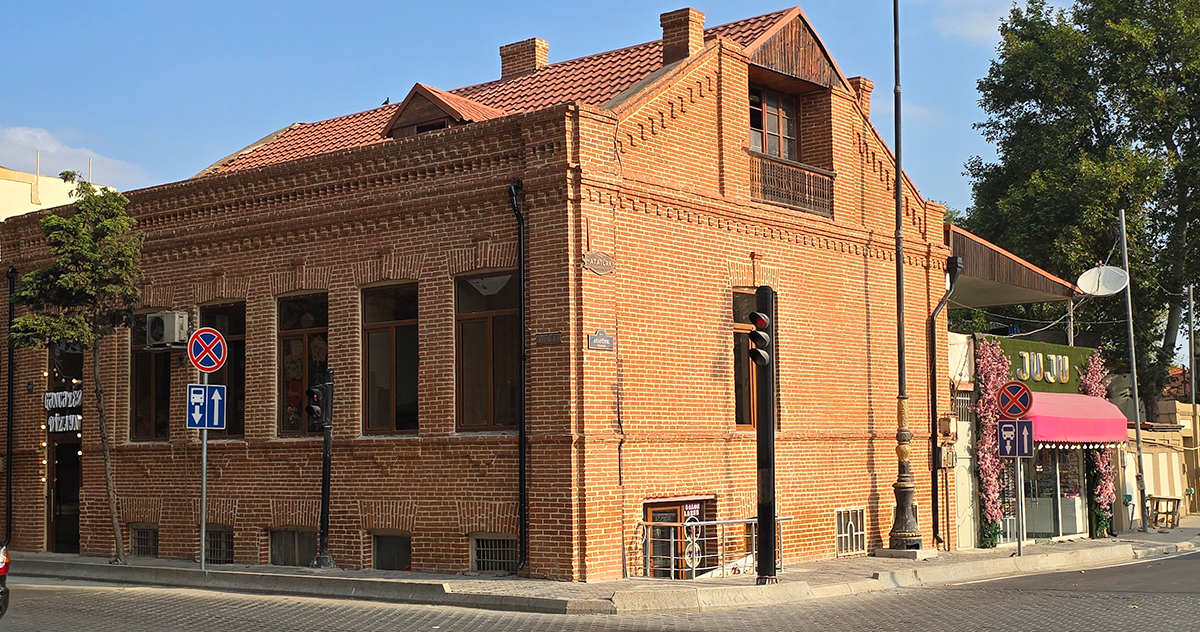
Heydər Əliyev və Atatürk prospektlərində, Ozanlar məhəlləsində binaların dam örtükləri dəyişilib, fasadları təmizlənib, yaşıllaşdırma işləri aparılıb, asfalt örtüyü yenilənib.
Şəhərdə 673 binanın fasadları təmir və bərpa olunub. 357 binanın fasadları yuyulub. 1159 binanın dam öprtüyü yeniləri ilə əvəzlənib. 62 binada fasad işıqlandırma işləri aparılıb. Həmin binalara 3371 işıqlandırıcı bərkidilib.
Şəhərin 49 küçəsində işıqlandırma işləri yenilənib. Əraziyə 2485 ədəd “Philips” markalı işıqlandırıcı bərkidilib.
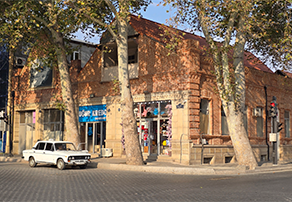
Gəncənin siması olan tarixi binaların çoxu kərpicdən tikilib. Yüz ildən çox yaşı olan həmin tikililər bu müddətdə kənar müdaxilələrə məruz qalıb, kərpic divarları dəfə-dəfə suvayıb rəngləyiblər. Bu isə kərpiclərin daxildən dağılmasına səbəb olub.
Kərpic divarların üst səthi ilk növbədə mexaniki yolla, əllə təmizlənib. Çətin təmizlənən yerlərdə xüsusi dərmanlardan, həmçinin yüksək təzyiqli buxardan və sudan istifadə olunub.
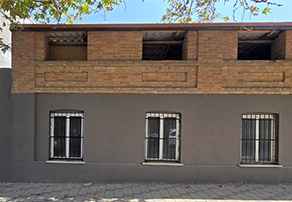
Divarların üst qatındakı rənglər çıxarılıb, kərpiclərin arasındakı zədələnmiş köhnə maddələr sökülüb. Təmizlənmə prosesindən sonra kərpiclərin üst səthləri bərpa olunub, zədələnmiş kərpiclər yenilərilə əvəz edilib.
Azərbaycanın min illərlə yaşı olan bu qədim şəhərində 150-yə qədər tarixi abidə var. Təmir-bərpa işləri zamanı 10 tarixi abidə, bina və hasarlar, tarixi məhəllələrin girişləri təmizlənib bərpa olunub.
Xan bağı, Nizami parkı, Fikrət Əmirov parkı da daxil olmaqla şəhərin 5 parkında səliqə-sahman yaradılıb. Ümumi ərazisi 175900 kvadrat metrlik ərazidə abadlıq və yaşıllaşdırma işləri görülüb. Həmin parklarda 10487 ədəd bitki əkilib. Parklara əsas bəzək verən 24 fəvvarə müasir standartlara uyğun şəkildə fərqli grünüşdə təmir olunaraq tamamilə yenilənib. Yerə tamet döşənilib. İnsanların istirahəti üçün rahat skamyalar qoyulub. Ümumən beş parkda 29960 kvadrat metrlik piyada yolları təmir olunub.
Nizami parkındakı “Nizami” kinoteatrının da fasadı təmir olunub. Fikrət Əmirovun adını daşıyan park 75 ədəd oturacaqla təmin olunub.
Nəinki Gəncənin, həm də bütün Azərbaycanın ən gözəl və yaşl parklarından biri olan Xan bağındakı 660 kvadrat metrlik süni göl əsaslı təmir olunub. Bağa 3000 yeni kol əkilib, 8 yeni oturacaq qoyulub, 113 oturacaq yeniən bərpa olunub. Bu parkda 162 işıq dirəyi quraşdırılıb.
Bu gün Gəncəyə gələn hər bir turistə Şeyx Nizaminin “Xəmsə”sinə daxil olan 5 möhtəşəm kitab-abidə bələdçilik edir. 25 metr hündürlüyü və 12 metr eni olan bu kitabələri əhatə edən gözəl memarlıq nümunəsi sayılan istinad divarları, yaşıllıqlar hər kəsi bir məkana – Nizami Gəncəvinin məqbərəsinə istiqamətləndirir. Nizaminin əsərlərini və obrazlarını əks etdirən abidələr, süni göl, beş buta, fəvvarələr ətrafı da abadlaşdırılıb.
Şəhərdə geniş miqyaslı yaşıllaşdırma işləri çərçivəsində çoxilik bitkilər: ağaclar, kollar əkilib, çəmənliklər salınıb. Bitkilər üçün drenaj və damcı üsulu ilə suvarma sistemi quraşdırılıb. Həmçinin əraziyə xeyli münbit torpaq və digər komponentlər gətirilib. 60 növdə 28100 ədəd bitki əkilib.
Gəncənin bir özəlliyi də ötən əsrin 70-ci illərində binaların divarlarına hörülən mozaikalardır. Şəhərin ayrı-ayrı yerlərində dekorativ dizayn elementi kimi hazırlanan mozaikalar digər mozaikalardan tamamilə fərqlidir. Çünki istifadə olunan hissəciklər keramikadan hazırlanıb. Gəncədə aparılan əsaslı təmir bərpa işləri zamanı köhnə mozaikalar yuyulub təmizlənərək yenilənib. Dəmir yolu vağzalı yanındakı mozaika sənət nümunəsinin eni 10, hündürlüyü 25 metrdir. 250 kvadrat metrlik əsərdə xalq dastanlarımızın qəhrəmanları, milli simvol və ornamentlərimiz əks olunub. Əsərin 60 kvadrat metrlik hissəsi uçulub sökülmüş vəziyyətdə idi. Bərpa zamanı bəlli olub ki, əlavə 22 kvadrat metrlik hissədə də mozaikalar səthdən aralanıb. Həmin hissələr yenidən işlənib, qırılan hissəciklər təzələr ilə əvəz olunub.
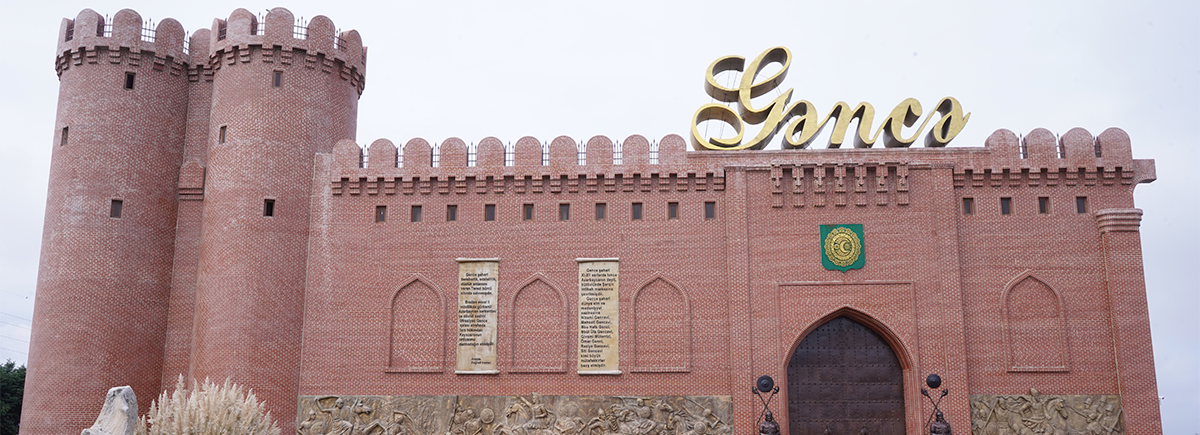
Şəhərin girişində 2012-ci ildə inşa edilən, hazırda Arxeologiya və Etnoqrafiya Muzeyi Abidə Kompleksinin fəaliyyət göstərdiyi Gəncə Qala Qapılarının fasadı da yuyulub təmizlənib, divarlarda ara-dolğu işləri görülüb, sonra üzərinə qoruyucu şəffaf lak qatı çəkilib. Qala Qapılarının üst hissəsində izolyasiya işləri görülüb, keramoqranit vurulub.
Abadlıq işləri zamanı abidənin ətrafındakı 11 skamya, həmçinin yazılar, şəhər rəmzləri və digər heykəllər də bərpa olunub. Bu gün bu qədim şəhərə təşrif buyuranlar dalğalanan Azərbaycan bayrağını görürlər. Bayrağın ucaldığı meydança da səliqəyə salınıb.
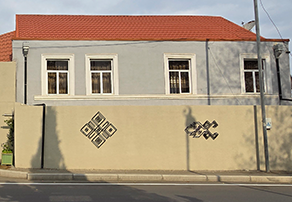
Təmir-bərpa zamanı diqqət çəkən işlərdən biri də fasadların və divarların dekorativ elementlərlə bəzədilməsidir. Bütün dekor-bəzək elementləri, habelə taxta dekorlar Gəncə və Gəncə-Qazax xalçalarının ornamentlərindən götürülüb. İndi bu bəzəklər şəhərin mərkəzi küçələrinə - Heydər Əliyev və Atatürk prospektlərinə, Ozanlar məhəlləsinə xüsusi gözəllik verir.
Beləliklə, Bakı Abadlıq Xidməti bərpa elədiyi ərazilərə həm də tarixin naxışını vurur, nənələrin göz nurundan yadigar qalan rəmzi bəzəklərə ikinci həyat vermiş olur.
Görülən işlər Gəncənin simasının yenilənməsinə, estetik mühitin formalaşmasına, həmçinin turizm potensialının gücləndirilməsinə xidmət edəcək.